


Hip & Knee Pain Pain
Comprehensive treatment for hip and knee pain, arthritis, runner's knee, and joint dysfunction affecting your mobility.
Overview
Understanding Hip & Knee Pain
The hip and knee are the body's largest weight-bearing joints, working together to support your body during standing, walking, running, and other activities. These joints endure significant stress and are susceptible to various conditions that can cause pain and limit mobility.
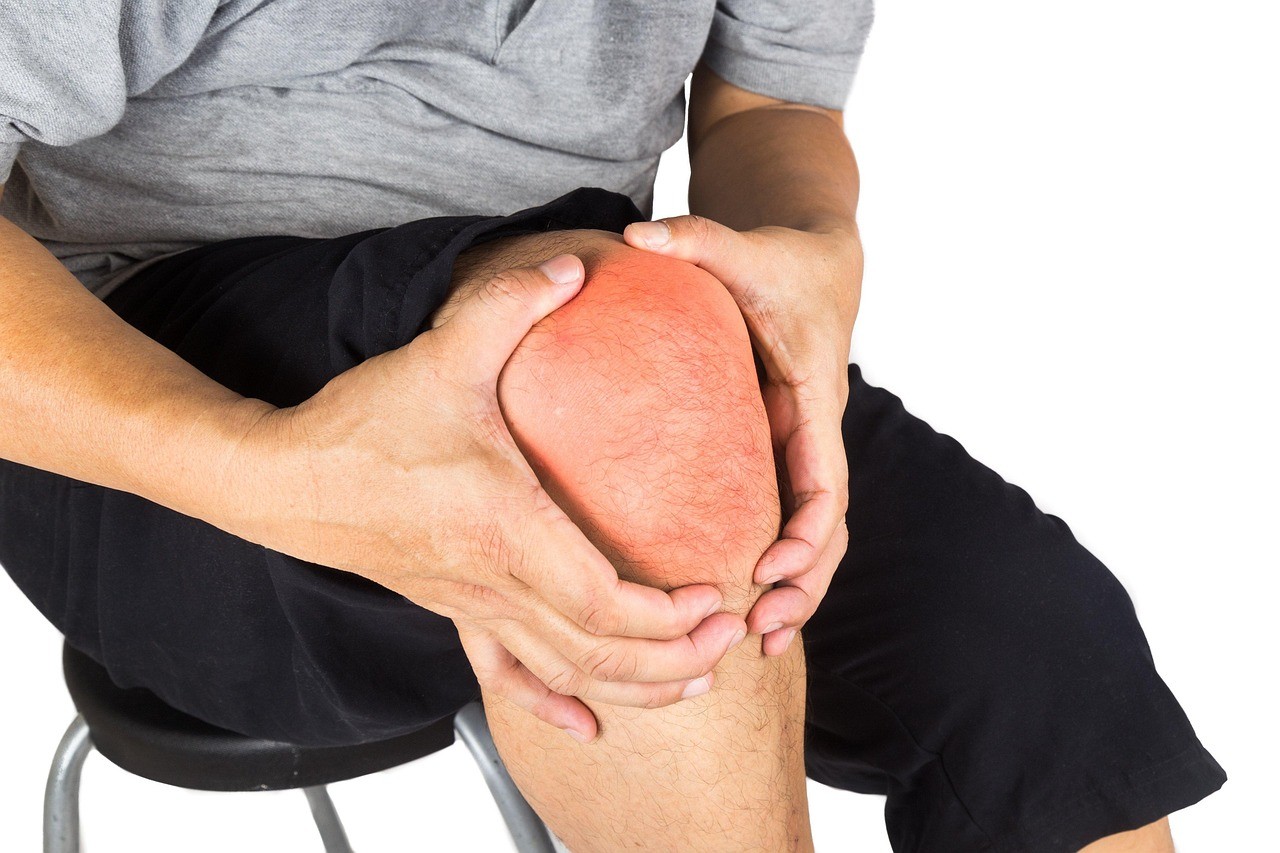
Hip and knee pain can stem from acute injuries, chronic overuse, age-related degeneration, or biomechanical imbalances. The pain may be localized to the joint itself or radiate to surrounding areas, affecting your ability to walk, climb stairs, exercise, or even sleep comfortably.
Symptoms
Pain during weight-bearing activities like walking or standing | Stiffness, especially after periods of rest or in the morning | Swelling or inflammation around the joint |
Weakness or instability in the joint | Reduced range of motion and flexibility | Clicking, popping, or grinding sensations |
Causes
Hip and knee pain can stem from a variety of conditions affecting these crucial weight-bearing joints. Osteoarthritis, the most common cause, occurs when the protective cartilage cushioning the joint gradually wears away over time, leading to bone-on-bone friction that produces pain, stiffness, and reduced mobility, particularly in older adults or those with previous joint injuries.
Runner's knee, or patellofemoral pain syndrome, creates discomfort around or behind the kneecap due to improper tracking of the kneecap over the thigh bone, often affecting athletes and active individuals. Hip impingement develops when there's abnormal contact between the hip ball and socket, restricting movement and causing groin pain during certain activities. IT band syndrome results from inflammation of the iliotibial band—a thick tissue running along the outer thigh—causing sharp lateral knee or hip pain, especially common in runners and cyclists.
Meniscus tears involve damage to the C-shaped cartilage that cushions the knee joint, occurring either from acute twisting injuries or gradual degenerative changes with age. Hip bursitis is characterized by inflammation of the fluid-filled sacs (bursae) that reduce friction around the hip joint, creating tenderness and pain on the outer hip that worsens when lying on the affected side.
Ligament injuries, including sprains or tears of the ACL, MCL, or other stabilizing ligaments, compromise knee stability and often result from sports injuries or sudden directional changes. Finally, tendonitis involves inflammation of the tendons connecting muscles to bones around the hip or knee, typically developing from repetitive motion, overuse, or sudden increases in physical activity.
Treatment Options
Protect your joints and maintain mobility with these practical prevention strategies.
Maintain Healthy Weight
Reducing stress on hip and knee joints through proper weight management is perhaps the most impactful prevention strategy. Excess body weight places tremendous pressure on these weight-bearing structures—every pound of body weight translates to approximately four pounds of force on the knees during walking, making weight control crucial for slowing cartilage degeneration and reducing joint strain.
Stay Active
Regular low-impact exercise keeps joints lubricated, maintains flexibility, and prevents stiffness without causing excessive damage. Consistent physical activity helps preserve long-term joint function, strengthens surrounding tissues, and maintains overall mobility while reducing the risk of age-related decline.
Strengthen Supporting Muscles
Focus on building strength in the quadriceps, hamstrings, glutes, and hip flexors to create a strong muscular framework that stabilizes joints. These supporting muscles absorb shock, reduce the burden placed directly on cartilage and bone structures, and help prevent misalignment that can lead to pain and injury.
Wear Appropriate Footwear
Choose supportive shoes with proper cushioning, arch support, and shock absorption to distribute forces evenly through the lower body. Quality footwear prevents misalignment and reduces repetitive stress on joints with every step, making this simple change surprisingly effective for joint protection.
Warm Up Before Exercise
Gradually increase blood flow to muscles and joints before physical activity to improve tissue elasticity and prepare your body for movement. A proper warm-up significantly reduces the risk of both acute injuries and chronic overuse conditions by ensuring joints and muscles are ready for the demands ahead.
Avoid High-Impact Activities
Consider gentler alternatives like swimming, cycling, elliptical training, or walking instead of running or jumping, especially if you already experience joint discomfort. These low-impact options allow you to stay fit while minimizing joint trauma and are particularly beneficial for those at higher risk for arthritis.
When To Consult
Don't let hip and knee pain limit your life—schedule an appointment with your healthcare provider today to discuss your symptoms and develop a personalized treatment plan that gets you moving pain-free again.