

Lower Back Pain
Discover effective ways to prevent lower back pain naturally. Expert tips on exercise, posture, weight management, and daily habits for a healthy spine.
Overview
Understanding Lower Back Pain
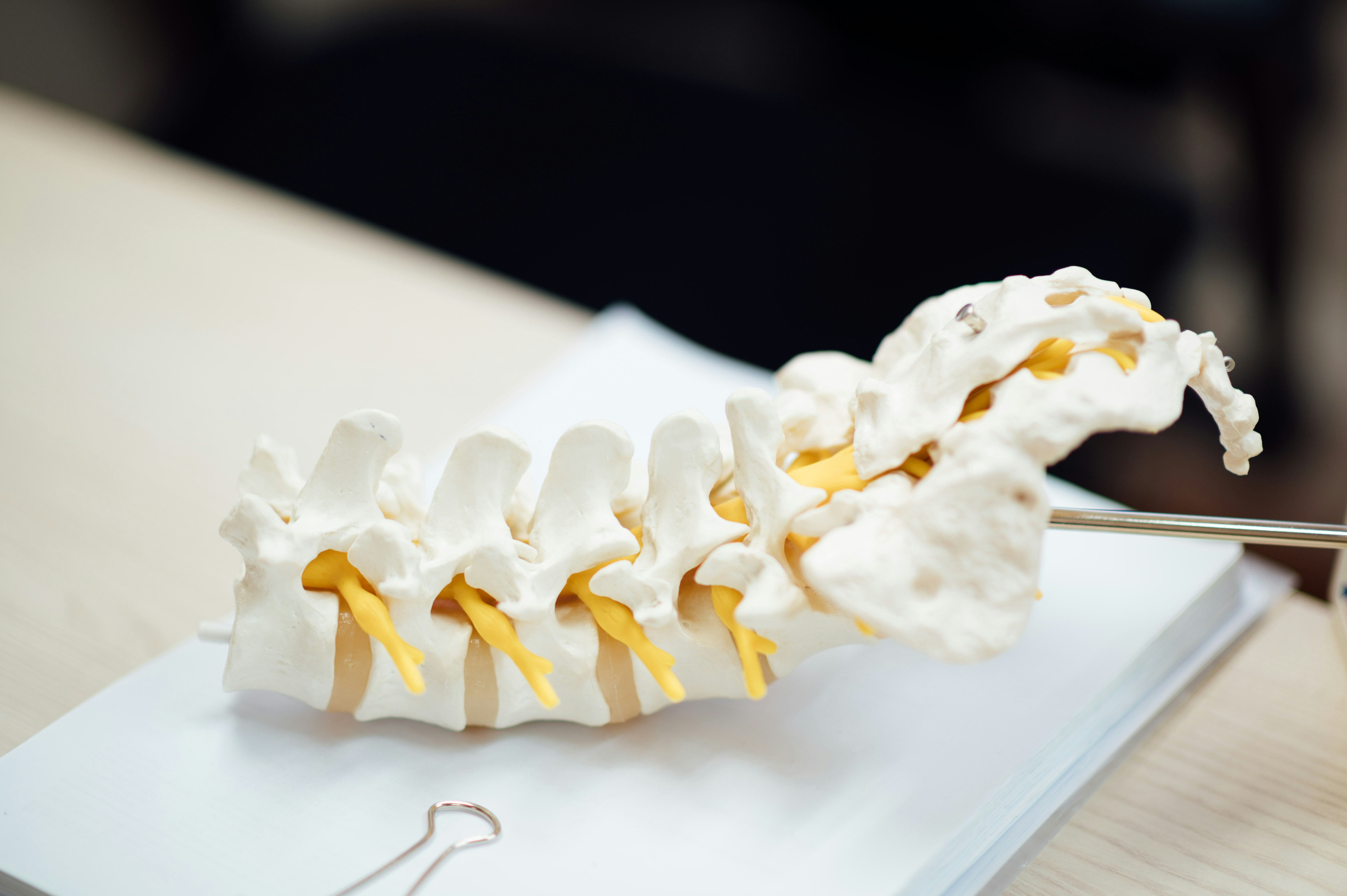
Lower back pain affects the lumbar region of the spine, the five vertebrae in your lower back (L1-L5). It's one of the most common reasons people visit healthcare professionals, affecting approximately 80% of adults at some point in their lives.
The pain can range from a dull, constant ache to a sudden, sharp sensation that leaves you unable to move comfortably. It may come on suddenly after lifting something heavy, or develop gradually due to poor posture, prolonged sitting, or age-related changes to the spine.
Symptoms
Dull, aching pain in the lower back | Sharp, shooting pain that radiates down the leg (sciatica) | Pain that worsens with bending, lifting, standing, or walking |
Pain that improves when lying down | Reduced range of motion and flexibility | Muscle spasms in the lower back |
Causes
Back pain affects millions of people and can stem from various musculoskeletal (MSK) conditions. Muscle or ligament strain from heavy lifting, sudden movements, or poor posture is one of the most frequent culprits, causing discomfort and limited mobility. Bulging or herniated discs occur when the cushioning between vertebrae ruptures or protrudes, potentially pressing on spinal nerves and causing radiating pain.
Arthritis, particularly osteoarthritis in the lower back, can lead to spinal stenosis and chronic discomfort as we age. Skeletal irregularities such as scoliosis create abnormal spinal curvature that may result in persistent back pain. Modern lifestyle factors also play a significant role—prolonged sitting with poor ergonomics places excessive pressure on the lumbar spine, while lack of regular exercise weakens core and back muscles, reducing spinal support.
Age-related changes, including degenerative disc disease and facet joint arthritis, become increasingly common over time. Understanding these conditions is the first step toward effective treatment and prevention, whether through physical therapy, lifestyle modifications, or medical intervention. If you're experiencing persistent back pain, consulting a healthcare professional can help identify the underlying cause and develop an appropriate treatment plan tailored to your specific condition.
Treatment Options
Preventing Lower Back Pain: 6 Simple Strategies for Spine Health
Lower back pain affects millions, but implementing these evidence-based prevention strategies can help you maintain a healthy, pain-free spine.
1. Exercise Regularly – Strengthen core and back muscles through low-impact activities like swimming, walking, or yoga. Strong muscles provide natural spinal support and reduce injury risk.
2. Maintain Proper Posture – Keep your spine aligned whether sitting or standing. Use ergonomic furniture, position screens at eye level, and avoid slouching to minimize spinal stress.
3. Use Correct Lifting Technique – Bend at the knees, not the waist. Keep objects close to your body and never twist while lifting to prevent acute back injuries.
4. Manage Your Weight – Excess pounds increase mechanical load on lumbar discs and joints. Maintaining a healthy weight through diet and exercise reduces spinal strain.
5. Quit Smoking – Smoking restricts blood flow to spinal discs, accelerating degeneration. Quitting improves circulation and slows age-related spine changes.
6. Stay Active Throughout the Day – Avoid prolonged sitting or standing. Move and stretch every 30-60 minutes to promote disc nutrition and prevent stiffness.
Take Action Today: Small lifestyle changes create lasting spine health benefits. Start incorporating these habits now to reduce your risk of chronic lower back pain and improve overall musculoskeletal wellness.
When To Consult
Stop letting pain slow you down. Book your appointment at Versano Clinic and take the first step toward pain-free movement.